

ShipStation Overview
ShipStation integrates ecommerce marketplaces for streamlined order and inventory management. It also offers shipping labels and branding solutions.
Use Cases
Customers recommend Communication Management, Order Management, Helpdesk Management, as the business use cases that they have been most satisfied with while using ShipStation.
Business Priorities
Enhance Customer Relationships and Acquire Customers are the most popular business priorities that customers and associates have achieved using ShipStation.
ShipStation Use-Cases and Business Priorities: Customer Satisfaction Data
ShipStation works with different mediums / channels such as E-Mail. User Generated Content. Blogs etc.
ShipStation's features include Alerts: Popups & Notifications, Personalization, Calculator, etc. and ShipStation support capabilities include Email Support, 24/7 Support, Chat Support, etc. also ShipStation analytics capabilities include Custom Reports, and Analytics.
Reviews
"...It does so much that I used to do manually like leave eBay reviews after transactions, send out customer emails, and more...." Peer review by Verified Reviewer, Education
Peer review evidence (same sources as the product rating summary)
"...With the ShipStation mobile app, you can do things such as: Reply to customer questions Resend tracking confirmation emails Check pending orders Get shipping rates and shop around for the best quote Email return labels Send orders to Amazon FBA or other fulfillment providers Scan barcodes And..." 10 Best Shipping Softwares For Ecommerce
"...ShipStation connects directly to our ecommerce store with Ecwid, and makes order management simple and fast...." Peer review by Josh West, Admin/Tech Assistant, Whole Heart Ministries
"...I have found their customer support very helpful...." Peer review by Julie Schnatterly, Owner, Mrs. Sasquatch's Barefoot Studio
ShipStation, ShippingEasy, Shippo, Skubana, RepairShopr, etc., all belong to a category of solutions that help E-Commerce Platform. Each of them excels in different abilities. Therefore, determining the best platform for your business will depend on your specific needs and requirements.
Popular Business Setting
for ShipStation
Top Industries
- Retail
- Sports
- Consumer Goods
Popular in
- Small Business
- Mid Market
- Enterprise
ShipStation is popular in Retail, Sports, and Consumer Goods and is widely used by Small Business, Mid Market, and Enterprise.
ShipStation Customer wins, Customer success stories, Case studies
How does ShipStation facilitate Communication Management?
Why is ShipStation the best choice for Order Management?
What makes ShipStation ideal for Helpdesk Management?
What solutions does ShipStation provide for Products & Pricelist Management?
How can ShipStation optimize your Workflow Management Workflow?
Shopify - ECommerce - Very Large
How ShipStation Helps Shopify Merchants Save on Shipping and Automate Fulfillment
Botham's of Whitby - Retail - Medium
How These 3 ShipStation Customers Nailed Holiday Peak Season Shipping
Frequently Asked Questions (FAQ)
What buyers ask before choosing ShipStation
Integrations What CRM integrations are available for ShipStation?
ShipStation offers several CRM integrations to enhance your shipping and order management processes. Notably, it integrates seamlessly with popular platforms such as Salesforce, Zoho, and QuickBooks Online, allowing businesses to synchronize customer data and streamline operations. These integrations enable users to manage orders, track shipments, and access real-time data directly from their CRM systems, improving efficiency and customer service. Additionally, ShipStation can connect with other tools like HubSpot and Google Merchant Center, further expanding its capabilities. By leveraging these CRM integrations, businesses can ensure a cohesive workflow between their sales and shipping processes, ultimately enhancing customer satisfaction and operational effectiveness.
Integrations How does ShipStation connect to QuickBooks Online?
To connect ShipStation to QuickBooks Online, you can follow these actionable steps: First, log in to your ShipStation account and navigate to the "Account Settings" section. From there, select "Integrations" and then "Connect a New Integration." Choose QuickBooks Online from the list of available integrations. You will be prompted to log in to your QuickBooks Online account and authorize the connection. Once connected, you can sync your orders, shipping information, and customer data between ShipStation and QuickBooks Online, streamlining your accounting and order management processes. This integration helps businesses save time by automating data entry and ensuring accurate financial records, ultimately enhancing operational efficiency.
Integrations What are the setup steps for integrating ShipStation with Shopify?
To integrate ShipStation with Shopify, start by logging into your ShipStation account and navigating to the "Settings" section. From there, select "Selling Channels" and then click on "Connect a Store or Marketplace." Choose Shopify from the list of available integrations. You will be prompted to enter your Shopify store URL and authorize ShipStation to access your store. After authorization, configure your settings, including shipping preferences and order import options. Once set up, ShipStation will automatically import your Shopify orders, allowing you to manage shipping efficiently. Make sure to test the integration by placing a test order in Shopify to confirm that it appears in ShipStation correctly. This streamlined process helps automate order fulfillment and enhances your shipping operations.
Integrations Can ShipStation integrate with Salesforce, and if so, how?
Yes, ShipStation can integrate with Salesforce, allowing businesses to streamline their shipping and order management processes. To connect ShipStation with Salesforce, you can use the ShipStation API or third-party integration tools like Zapier, which facilitate data transfer between the two platforms. Start by creating a ShipStation account and obtaining your API keys from the ShipStation settings. Then, in Salesforce, set up a new integration using the API keys to establish a connection. This integration enables you to automate order fulfillment, track shipments, and manage customer data more efficiently, ultimately enhancing your operational workflow and improving customer satisfaction. By leveraging this integration, businesses can ensure that their shipping processes are seamlessly aligned with their sales and customer relationship management efforts.
Integrations What is the data flow between ShipStation and WooCommerce?
The data flow between ShipStation and WooCommerce involves a seamless exchange of order and shipping information to streamline the fulfillment process. When a customer places an order on a WooCommerce store, the order details are automatically sent to ShipStation, where they can be managed and processed. ShipStation retrieves essential information such as customer addresses, order items, and shipping preferences, allowing users to generate shipping labels and track shipments efficiently. Once the order is shipped, ShipStation updates WooCommerce with tracking information, ensuring that customers receive timely notifications about their order status. This integration not only reduces manual data entry but also enhances operational efficiency, enabling businesses to fulfill orders faster and improve customer satisfaction.
Integrations Are there any limitations when integrating ShipStation with Marketo?
Integrating ShipStation with Marketo can enhance your marketing automation by streamlining shipping data, but there are some limitations to consider. Primarily, the integration may not support all features available in either platform, which could restrict the flow of certain data points between ShipStation and Marketo. For instance, while you can automate shipping notifications and track customer interactions, advanced segmentation based on shipping behavior may require additional customization. Additionally, users might encounter challenges with syncing data in real-time, leading to potential delays in campaign execution. It's essential to evaluate your specific needs and possibly consult with technical support to ensure that the integration aligns with your marketing goals effectively.
Features What does the advanced analytics feature in ShipStation do?
The advanced analytics feature in ShipStation provides e-commerce merchants with in-depth operational insights to enhance their shipping and fulfillment processes. This feature integrates various data points, allowing users to track key performance indicators (KPIs) related to shipping efficiency, costs, and delivery times. By utilizing these analytics, businesses can identify trends, optimize their shipping strategies, and make informed decisions that lead to improved operational efficiency. The advanced analytics also supports role-based dashboards, which tailor the data presentation to specific team roles, such as executives or operations staff, ensuring that each user has access to the most relevant information for their responsibilities. Overall, this feature empowers merchants to streamline their logistics and enhance customer satisfaction through better decision-making.
Features How do I configure the Role-Based Dashboards in ShipStation?
To configure the Role-Based Dashboards in ShipStation, first ensure you have access to the API Analytics feature, which is available to US customers since February 27, 2026. Log in to your ShipStation account and navigate to the Analytics section. From there, select the Role-Based Dashboards option, where you can customize the dashboard views based on specific roles within your organization, such as executives or operations teams. You can curate key performance indicators (KPIs) relevant to each role, allowing for tailored analytics that enhance decision-making. Make sure to save your configurations, and you can always revisit the settings to adjust the KPIs as your business needs evolve. This feature streamlines analytics and helps your team make informed shipping decisions efficiently.
Features What functionalities are included in the inventory management tools of ShipStation?
ShipStation's inventory management tools offer a comprehensive suite of functionalities designed to streamline e-commerce operations for merchants. Key features include advanced inventory synchronization, which ensures that stock levels are accurately updated across multiple sales channels, reducing the risk of overselling. The platform also provides robust inventory tracking capabilities, allowing users to monitor stock levels in real-time and manage reordering efficiently. Additionally, ShipStation includes a mobile picking app that enhances warehouse management by enabling staff to pick and pack orders more effectively. The integration of these tools into a single platform not only simplifies the fulfillment process but also enhances operational insights through analytics dashboards, ultimately improving overall efficiency and customer satisfaction.
Features How do I use the mobile picking app within ShipStation?
To use the mobile picking app within ShipStation, first, ensure you have the app downloaded on your mobile device and that you are logged into your ShipStation account. Once logged in, navigate to the "Picking" section where you can view your orders that need to be picked. The app allows you to scan barcodes for items, which helps streamline the picking process by ensuring accuracy and efficiency. You can create pick lists based on your orders, and the app will guide you through the warehouse to collect items. After picking, you can confirm the items collected and proceed to pack and ship them directly from the app. This mobile functionality enhances productivity by allowing you to manage orders on the go, reducing the time spent on manual processes.
Features What is the purpose of the branded returns portal in ShipStation?
The branded returns portal in ShipStation serves as a dedicated platform for customers to initiate and manage their product returns seamlessly. This feature enhances the customer experience by allowing users to easily generate return labels, track the status of their returns, and receive updates, all while maintaining the retailer's branding. By providing a self-service option, the branded returns portal reduces the workload on customer service teams and minimizes the time spent on return processing. This not only streamlines operations for retailers but also fosters customer satisfaction and loyalty, as it simplifies the returns process and makes it more transparent. Overall, the branded returns portal is a valuable tool for e-commerce businesses looking to improve their returns management and enhance customer engagement.
Features How can I utilize the self-service portal for returns processing in ShipStation?
To utilize the self-service portal for returns processing in ShipStation, first ensure that you have set up your branded returns portal within your ShipStation account. Navigate to the "Returns" section in the dashboard and customize the portal to reflect your brand's identity, including logos and messaging. Once configured, you can provide customers with a link to this portal, allowing them to initiate returns independently. Customers can enter their order details, select items for return, and print return labels directly from the portal, streamlining the process for both you and your customers. This feature not only enhances customer satisfaction by providing a hassle-free return experience but also reduces the workload on your support team, allowing them to focus on other critical tasks.
ROI & pricing What measurable business value can I expect from using ShipStation?
Using ShipStation can deliver significant measurable business value by streamlining your shipping processes and enhancing operational efficiency. For instance, companies like CLEAN Cause experienced a remarkable 311% increase in sales and a 117% rise in total orders over three years after implementing ShipStation, which automated their shipping and reduced manual work. Similarly, Earhoox saw a 30% increase in average checkout prices by offering free and priority shipping options, while Sydney Sock Project scaled from a market stall to a $6M+ enterprise by automating order processing and integrating with Shopify. These improvements not only save time and reduce labor costs but also enhance customer satisfaction through efficient order fulfillment and branded shipment notifications, ultimately driving growth and profitability for your business.
ROI & pricing How does ShipStation improve ROI for e-commerce businesses?
ShipStation improves ROI for e-commerce businesses by streamlining the shipping and fulfillment process, which reduces operational costs and enhances efficiency. By automating order processing and integrating with platforms like Shopify, businesses can save significant time—such as the Sydney Sock Project, which saved 45 minutes daily and doubled their order volume during peak sales. The platform's features, including batch-picking, branded packing slips, and real-time shipping quotes, help minimize manual tasks and improve customer satisfaction. Additionally, ShipStation's analytics tools provide insights into shipping performance, allowing businesses to make data-driven decisions that further optimize costs. Overall, these efficiencies lead to increased sales and higher average order values, ultimately boosting the return on investment for e-commerce operations.
ROI & pricing What are the different pricing plans available for ShipStation?
ShipStation offers several pricing plans tailored to meet the needs of different businesses. The plans typically include a Starter plan for small businesses, which provides essential features at a lower cost, and scales up to more comprehensive plans like the Professional and Elite tiers, which offer advanced functionalities such as automation tools, reporting, and integrations with multiple carriers. Pricing varies based on the number of shipments processed monthly, with additional fees for adding custom shipping carriers. Businesses can also benefit from a free trial to explore the platform before committing. For the most accurate and up-to-date pricing details, it's best to visit the ShipStation website directly, as prices may change or promotional offers may be available.
ROI & pricing What is the total cost of ownership when using ShipStation for shipping?
The total cost of ownership when using ShipStation for shipping includes several components: the monthly subscription fee, which varies based on the plan selected, and any additional costs for integrating your own shipping carriers, as ShipStation charges a fee for this feature. Users have noted that while ShipStation is relatively affordable compared to other shipping solutions, the costs can add up if you require multiple carrier integrations or advanced features. Additionally, consider potential costs associated with customer service, as some users have reported challenges in this area, which could lead to increased operational expenses. Overall, while ShipStation offers a comprehensive shipping solution, businesses should evaluate their specific needs and usage patterns to accurately assess the total cost of ownership.
ROI & pricing How quickly can I see a return on investment after implementing ShipStation?
The return on investment (ROI) after implementing ShipStation can be seen relatively quickly, often within a few months, depending on your business's shipping volume and operational efficiency. Many users report significant time savings and increased order processing capabilities shortly after integration. For instance, Sydney Sock Project saved 45 minutes daily and doubled their order volume during peak seasons like Black Friday, while CLEAN Cause experienced a 311% increase in sales over three years. By automating manual processes, reducing labor costs, and streamlining shipping operations, businesses can enhance their profitability and customer satisfaction, leading to a faster ROI. Ultimately, the specific timeline for ROI will vary based on individual business circumstances, but many find that the efficiencies gained through ShipStation translate into immediate financial benefits.
ROI & pricing What cost savings can I achieve by using ShipStation compared to traditional shipping methods?
Using ShipStation can lead to significant cost savings compared to traditional shipping methods by automating and streamlining the fulfillment process. Businesses like CLEAN Cause have reported a 311% increase in sales and a 117% rise in total orders over three years after implementing ShipStation, which reduced the need for a larger team to handle orders. The platform integrates shipping rates, allowing users to compare multi-carrier pricing easily, which can lower shipping costs. Additionally, features like batch-picking and pre-order management save time, translating to reduced labor costs. By minimizing manual tasks and optimizing shipping strategies, businesses can not only save money but also enhance operational efficiency, ultimately contributing to a healthier bottom line.
Capabilities What fulfillment capabilities does ShipStation offer for e-commerce merchants?
ShipStation offers a comprehensive suite of fulfillment capabilities designed to streamline operations for e-commerce merchants. Its platform integrates essential functions such as inventory management, warehouse tools, shipping, and returns processing into a single solution. Key features include advanced analytics dashboards that provide operational insights, improved inventory synchronization to keep stock levels accurate, and a mobile picking app for efficient order fulfillment. Additionally, ShipStation provides a self-service returns portal, allowing customers to manage their returns seamlessly. These enhancements not only reduce manual tasks but also improve overall efficiency, enabling merchants to scale their operations effectively while enhancing customer satisfaction through faster and more reliable shipping processes.
Capabilities Can ShipStation automate carrier selection for shipping logistics?
Yes, ShipStation can automate carrier selection for shipping logistics through its AI-powered platform, ShipStation Intelligence. This feature optimizes the shipping process by automatically selecting the most cost-effective and reliable carrier based on various factors such as delivery speed, cost, and service availability. By leveraging this automation, businesses can significantly reduce the complexity and costs associated with shipping logistics. This capability not only streamlines operations but also enhances overall efficiency, allowing companies to focus on growth rather than manual shipping tasks. Early results from users indicate substantial time savings and improved order fulfillment, making ShipStation a valuable tool for eCommerce businesses looking to optimize their logistics.
Capabilities Does ShipStation support advanced analytics for operational insights?
Yes, ShipStation does support advanced analytics for operational insights. The platform has recently enhanced its capabilities by integrating advanced analytics features that provide e-commerce merchants with valuable operational insights. These features include tailored Role-Based Dashboards, which present curated key performance indicators (KPIs) specific to different roles within an organization, such as executives and operations teams. This allows users to make informed shipping decisions based on real-time data. Additionally, the platform's comprehensive analytics tools help streamline inventory management, warehouse operations, and returns processing, ultimately improving overall efficiency and decision-making for businesses. By leveraging these advanced analytics, merchants can optimize their shipping processes and enhance their fulfillment strategies.
Capabilities Can ShipStation manage inventory synchronization across multiple warehouses?
ShipStation does not directly manage inventory synchronization across multiple warehouses; however, it offers robust integrations with various inventory management systems that can facilitate this process. By connecting ShipStation with platforms like Shopify or QuickBooks, businesses can streamline their order fulfillment and inventory tracking. ShipStation's enhanced platform includes features such as analytics dashboards and warehouse management tools, which can help retailers monitor stock levels and manage orders efficiently. For businesses looking to synchronize inventory across multiple locations, leveraging these integrations with dedicated inventory management software is essential. This approach allows for real-time updates and better control over stock, ultimately improving operational efficiency and reducing the risk of overselling or stockouts.
Capabilities Does ShipStation provide tools for returns processing and management?
Yes, ShipStation provides comprehensive tools for returns processing and management, designed to streamline the return experience for both retailers and customers. The platform includes a branded returns portal that allows customers to initiate returns easily, enhancing customer satisfaction and reducing the workload for support teams. Additionally, ShipStation's returns management features integrate seamlessly with its inventory and order management systems, enabling businesses to track returned items efficiently and update inventory levels automatically. This holistic approach not only simplifies the returns process but also helps retailers maintain better control over their stock and improve operational efficiency. By utilizing these tools, businesses can enhance their overall fulfillment strategy and foster a positive customer experience.
Capabilities Is ShipStation capable of handling large-scale operations for enterprise businesses?
Yes, ShipStation is capable of handling large-scale operations for enterprise businesses. It offers robust features such as automated order processing, multi-carrier pricing comparisons, and integration with major e-commerce platforms like Shopify, WooCommerce, and BigCommerce, which are essential for scaling operations. Companies like Sydney Sock Project and CLEAN Cause have successfully utilized ShipStation to streamline their fulfillment processes, resulting in significant increases in sales and efficiency. The platform also supports batch-picking and pre-order management, which can save time and reduce manual work. However, some users have reported challenges with customer support and occasional discrepancies in real-time shipping rates, so it's important for enterprises to evaluate these factors when considering ShipStation for their logistics needs.
Use cases How can SDRs use ShipStation to streamline their order fulfillment process?
Sales Development Representatives (SDRs) can leverage ShipStation to streamline their order fulfillment process by automating key tasks and integrating with their existing sales platforms. By connecting ShipStation with e-commerce platforms like Shopify, SDRs can automatically import orders, reducing manual entry and minimizing errors. The platform's batch-picking feature allows SDRs to process multiple orders simultaneously, saving valuable time. Additionally, ShipStation's Rate Shopper tool enables SDRs to compare shipping rates across various carriers, ensuring cost-effective shipping solutions. Custom-branded packing slips enhance the customer experience, reinforcing brand identity. By utilizing these features, SDRs can focus more on sales activities rather than administrative tasks, ultimately improving efficiency and supporting business growth.
Use cases What are the best practices for marketers to leverage ShipStation for customer notifications?
To effectively leverage ShipStation for customer notifications, marketers should implement automated email notifications that inform customers about order confirmations, shipping updates, and delivery confirmations. Utilizing ShipStation's integration capabilities with platforms like Shopify and Google Merchant Center allows for seamless communication throughout the order process. Marketers can customize branded shipment notifications to enhance customer experience and reinforce brand identity. Additionally, setting up real-time tracking updates can keep customers informed and reduce inquiries about order status. It's also beneficial to segment notifications based on customer behavior, ensuring that messages are relevant and timely. By following these best practices, marketers can improve customer satisfaction, reduce support inquiries, and foster loyalty through effective communication.
Use cases In what scenarios should RevOps teams implement ShipStation for shipping analytics?
RevOps teams should implement ShipStation for shipping analytics in scenarios where they need to enhance operational efficiency and make data-driven decisions regarding shipping processes. ShipStation's Role-Based Dashboards provide tailored analytics views for different roles, such as executives and operations, allowing teams to track key performance indicators (KPIs) relevant to their specific functions. This is particularly beneficial for organizations experiencing growth or those managing complex logistics, as the platform integrates analytics with inventory management and returns processing. Additionally, the AI-powered ShipStation Intelligence can help identify delivery risks and automate carrier selection, further optimizing shipping strategies. By leveraging these features, RevOps teams can streamline operations, reduce costs, and improve overall customer satisfaction through more informed shipping decisions.
Use cases How can sales leaders utilize ShipStation to improve their team's shipping efficiency?
Sales leaders can utilize ShipStation to significantly enhance their team's shipping efficiency by leveraging its automation and integration capabilities. By connecting ShipStation with e-commerce platforms like Shopify, sales teams can streamline order processing, reducing manual tasks such as copying and pasting. The platform's features, such as batch-picking and Rate Shopper, allow teams to manage multiple orders simultaneously and select the most cost-effective shipping options, saving valuable time. Additionally, ShipStation's analytics tools provide insights into shipping performance, enabling sales leaders to identify areas for improvement and optimize fulfillment strategies. By implementing custom-branded packing slips and automated notifications, teams can enhance customer experience while maintaining operational efficiency, ultimately driving sales growth and improving overall productivity.
Use cases What workflows can eCommerce teams adopt with ShipStation to automate fulfillment tasks?
eCommerce teams can adopt several workflows with ShipStation to automate fulfillment tasks effectively. By integrating ShipStation with platforms like Shopify, teams can automate order imports, allowing for bulk shipping and reducing manual entry errors. Utilizing features such as automation rules, teams can set specific criteria for shipping labels, packing slips, and notifications, streamlining the entire shipping process. Additionally, ShipStation's batch-picking capabilities enable teams to process multiple orders simultaneously, saving significant time. The platform also offers tools for inventory management and analytics, helping teams track performance and optimize their operations. By implementing these workflows, eCommerce businesses can enhance efficiency, reduce labor costs, and improve overall customer satisfaction.
Use cases When is it most beneficial for businesses to use ShipStation's customs declarations feature?
Businesses find it most beneficial to use ShipStation's customs declarations feature when shipping internationally, particularly when they need to streamline the process of managing duties and taxes. This feature allows merchants to prepay duties and taxes, which eliminates unexpected charges for customers and enhances transparency in international transactions. It is especially useful for e-commerce businesses that frequently ship to various countries, as it simplifies the completion of customs forms and reduces the risk of delays at customs. By automating these processes, businesses can save time and resources, ensuring a smoother shipping experience for both the company and its customers. Overall, utilizing ShipStation's customs declarations feature can significantly improve operational efficiency and customer satisfaction in cross-border shipping.
Alternatives What are the best alternatives to ShipStation for eCommerce shipping?
When considering alternatives to ShipStation for eCommerce shipping, several notable options stand out. First, Easyship offers a comprehensive shipping solution with real-time rates and a wide range of carrier integrations, making it ideal for businesses looking for flexibility. Another strong contender is ShipBob, which provides fulfillment services alongside shipping, allowing for streamlined logistics and inventory management. Additionally, Pirate Ship is a cost-effective choice, particularly for small businesses, as it offers free access to discounted shipping rates without monthly fees. Finally, Ordoro combines order management with shipping capabilities, catering to businesses that require robust inventory management features. Each of these alternatives has unique strengths, so the best choice will depend on your specific business needs and shipping requirements.
Alternatives How does ShipStation compare to Shopify Shipping in terms of features?
ShipStation and Shopify Shipping both offer robust shipping solutions, but they cater to different needs. ShipStation is a multi-carrier shipping software that provides extensive features such as advanced order management, real-time shipping quotes, and the ability to handle multiple carriers, making it ideal for businesses that require flexibility and scalability. It also integrates with various platforms like WooCommerce, eBay, and Amazon. In contrast, Shopify Shipping is designed specifically for Shopify users, offering streamlined shipping directly within the Shopify platform, which simplifies the process for e-commerce businesses using Shopify. While Shopify Shipping may be easier to use for Shopify merchants, ShipStation's broader capabilities and integrations make it a better choice for businesses looking for comprehensive shipping solutions across multiple sales channels.
Alternatives What unique strengths does ShipStation have over its competitors like Easyship?
ShipStation offers several unique strengths over competitors like Easyship, particularly in its multi-carrier shipping capabilities and integration options. ShipStation allows users to compare shipping rates from various carriers in real-time, which can lead to cost savings and more efficient shipping decisions. Its robust integration with popular e-commerce platforms such as Shopify, WooCommerce, and BigCommerce simplifies the order fulfillment process, enabling businesses to manage shipping from a centralized dashboard. Additionally, ShipStation provides advanced features like branded shipment notifications and analytics for operational insights, which can enhance customer experience and streamline logistics management. While Easyship also offers competitive shipping solutions, ShipStation's extensive carrier partnerships and user-friendly interface make it a preferred choice for many businesses looking to optimize their shipping operations.
Alternatives Why should I choose ShipStation over Pirate Ship for my shipping needs?
Choosing ShipStation over Pirate Ship for your shipping needs can offer several advantages, particularly for businesses looking for comprehensive e-commerce solutions. ShipStation provides robust multi-carrier shipping capabilities, allowing users to compare rates and select the best options for their shipments, which can lead to cost savings. Additionally, ShipStation integrates seamlessly with various platforms like Shopify, WooCommerce, and QuickBooks, enhancing order management and fulfillment processes. Its automation features streamline workflows, reducing manual tasks and increasing efficiency, as demonstrated by businesses like CLEAN Cause and Sydney Sock Project, which saw significant growth after implementing ShipStation. While Pirate Ship is known for its simplicity and cost-effectiveness, ShipStation's extensive features and integrations make it a more suitable choice for businesses aiming to scale and optimize their shipping operations.
Alternatives What are the key differences between ShipStation and ShipRush?
ShipStation and ShipRush are both popular shipping software solutions, but they cater to different needs and offer distinct features. ShipStation excels in eCommerce integration, providing seamless connections with platforms like Shopify, WooCommerce, and BigCommerce, along with robust automation capabilities that streamline order fulfillment and shipping processes. It also offers real-time shipping quotes and multi-carrier pricing options, making it ideal for businesses looking to optimize their shipping strategy. In contrast, ShipRush is known for its strong focus on multi-carrier shipping and export documentation, which can be particularly beneficial for businesses dealing with international shipments. However, users have reported that ShipRush may lack some of the advanced automation features found in ShipStation. Ultimately, the choice between the two will depend on specific business needs, such as the level of eCommerce integration required and the complexity of shipping operations.
Alternatives Is ShipStation a better option than ShipBob for order fulfillment?
When comparing ShipStation and ShipBob for order fulfillment, both platforms offer unique advantages tailored to different business needs. ShipStation excels in its multi-carrier shipping capabilities, allowing users to compare rates and automate order processing, which can significantly streamline operations for e-commerce businesses. It integrates seamlessly with platforms like Shopify and BigCommerce, making it ideal for businesses looking to manage shipping efficiently. On the other hand, ShipBob provides a more comprehensive fulfillment solution, including warehousing and inventory management, which can be beneficial for companies that require physical storage and distribution services. Ultimately, the choice between ShipStation and ShipBob depends on whether your priority is shipping automation and rate comparison or a full-service fulfillment solution that includes warehousing.
ShipStation Competitors


ShipStation Features
- Low
- Medium
- High
| FEATURE | RATINGS AND REVIEWS |
|---|---|
| AI Powered | Read Reviews (3) |
| Custom Reports | Read Reviews (252) |
| Analytics | Read Reviews (39) |
| CAPABILITIES | RATINGS AND REVIEWS |
|---|---|
| AI Powered | Read Reviews (3) |
| Custom Reports | Read Reviews (252) |
| Analytics | Read Reviews (39) |
ShipStation Integrations
ShipStation integrates with a wide range of software applications through its robust data import and export capabilities.


Few API Integrations for ShipStation


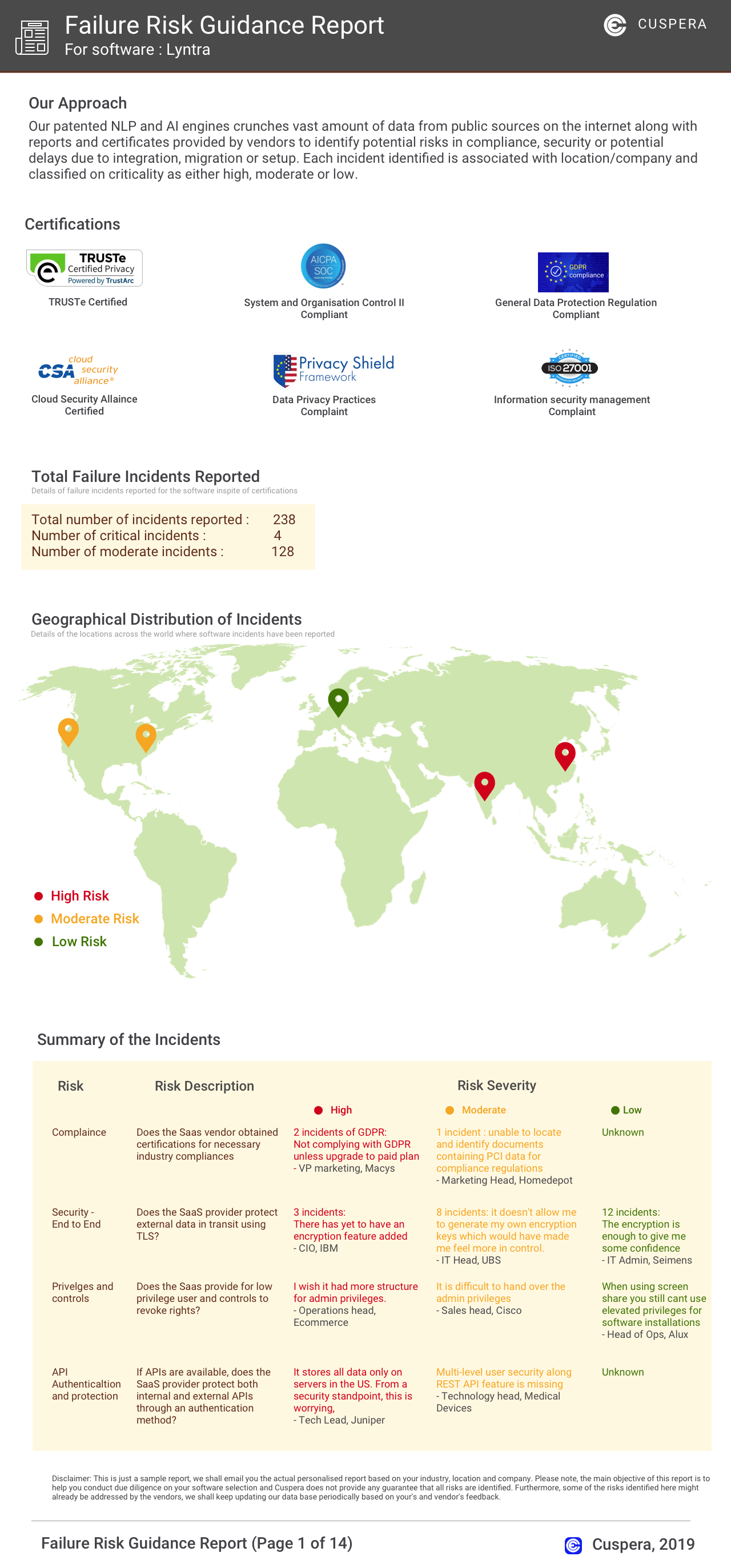
Software Failure Risk Guidance
?for ShipStation
Overall Risk Meter
Top Failure Risks for ShipStation
ShipStation News
Connect TikTok Shop to ShipStation in 5 Steps
ShipStation now integrates with TikTok Shop, allowing merchants to streamline order management and shipping processes. This integration enables TikTok Shop orders to be imported into ShipStation for easier fulfillment, offering options for seller-fulfilled and TikTok Shipping orders. The setup involves connecting the TikTok Shop account through ShipStation's store setup, enhancing efficiency for ecommerce businesses.
Introducing Ship with Walmart: Discounted Rates and Seller Protections, Right Inside ShipStation
ShipStation integrates Ship with Walmart, offering Walmart Marketplace sellers discounted shipping rates and seller protections directly within the ShipStation platform. This integration allows sellers to manage Walmart orders alongside other sales channels, simplifying shipping workflows and enhancing delivery promise alignment.
ShipStation Global Brings Freight Into the Same Lane as Parcel
ShipStation Global has launched a new LTL integration, connecting over 75 carriers to provide real-time rate comparison and order management within its platform. This integration addresses a key gap for merchants needing to manage both parcel and freight shipping seamlessly, enhancing the platform's capabilities for ecommerce logistics.
ShipStation LTL Launch: The Time-Saving Play for SMBs
ShipStation has launched a fully featured LTL capability within its platform, targeting SMBs to streamline parcel, LTL, and full truckload shipping under one interface. This integration aims to reduce manual tasks and improve operational efficiency, allowing businesses like Spiceology to manage logistics more effectively.
ShipStation Profile
Company Name
ShipStation
Company Website
https://www.shipstation.com/HQ Location
3800 North Lamar Blvd, Suite 220, Austin, TX 78756, US
Social